
What Is Qi2 25W and Is It Worth Waiting for a Smartphone That Supports It?
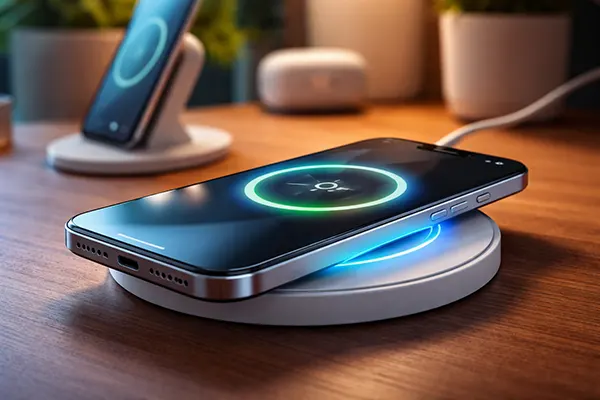
Wireless charging has moved from a convenient add-on to a feature that increasingly shapes how people choose their next smartphone. The arrival of Qi2 25W marks a notable shift in this space, promising faster speeds, improved efficiency and a more standardised magnetic alignment similar to what many users already recognise from flagship ecosystems. As more manufacturers begin to certify devices with Qi2, the question becomes practical rather than theoretical: should you wait for it, or is current charging technology already good enough for everyday use?
Qi2 25W Explained: What Has Actually Changed
Qi2 is the next evolution of the wireless charging standard developed by the Wireless Power Consortium, and the 25W version represents a clear upgrade over the earlier 15W limit found in Qi2’s initial rollout. The key change is not just speed, but how power is delivered. Qi2 introduces a magnetic alignment system that ensures the charging coil in the phone sits precisely over the charger, reducing energy loss and improving consistency.
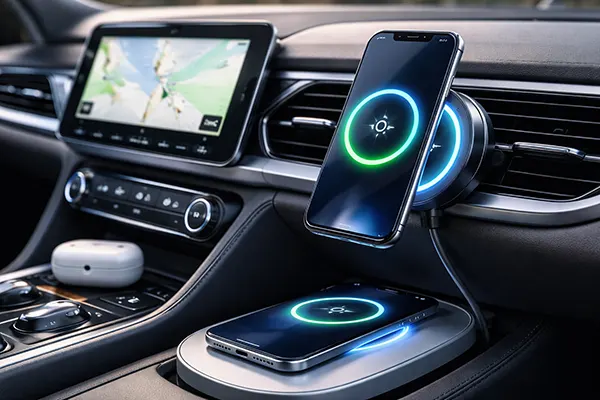
This alignment system is based on what the industry calls the Magnetic Power Profile. In practice, it means fewer situations where your phone appears to be charging but does so inefficiently. The improvement is particularly noticeable when using stands or pads in less controlled environments, such as in a car or on a desk with multiple devices nearby.
The jump to 25W is also important because it brings wireless charging closer to wired speeds for mid-range and even some flagship devices. While it still does not fully replace high-speed wired charging, it significantly narrows the gap, especially for users who charge their devices in short bursts throughout the day.
Compatibility, Certification and Real Devices in 2026
As of 2026, Qi2 25W is no longer just a specification on paper. Several major manufacturers have begun releasing smartphones and accessories that support the updated standard, with certification ensuring cross-brand compatibility. This is a critical point, as earlier wireless charging solutions often suffered from fragmentation and inconsistent performance.
Manufacturers adopting Qi2 benefit from a shared ecosystem of chargers, power banks and car mounts. This reduces the need for proprietary solutions and makes it easier for users to invest in accessories that will remain relevant across multiple devices.
However, not every device labelled as “Qi2-ready” supports the full 25W output. Some models are limited by hardware constraints, meaning it is important to check actual charging specifications rather than relying solely on branding.
Practical Benefits of Qi2 25W for Everyday Use
The most immediate advantage of Qi2 25W is reduced charging time without sacrificing convenience. For users who rely on wireless charging overnight, the difference may be minimal. But for those who frequently top up their battery during the day, faster wireless charging can noticeably change daily habits.
Another benefit is improved thermal management. Because the magnetic alignment reduces energy loss, less heat is generated during charging. This can contribute to better long-term battery health, especially when compared to poorly aligned older wireless chargers that often caused unnecessary heat buildup.
There is also a usability aspect. Magnetic alignment makes it easier to position the device correctly without trial and error. This is particularly useful for accessories like car mounts or bedside chargers, where precise placement is not always convenient.
Impact on Battery Longevity and Efficiency
Battery degradation is influenced by several factors, including heat and charging cycles. Qi2 25W does not eliminate these concerns, but it addresses some of the inefficiencies that previously accelerated wear. More stable energy transfer reduces unnecessary stress on the battery over time.
In real-world use, this means fewer fluctuations in charging speed and fewer interruptions caused by misalignment. Consistency plays a larger role in battery health than raw speed alone, and Qi2 aims to provide that consistency.
It is still important to note that high-power charging, whether wired or wireless, can contribute to faster degradation if used excessively. The benefit of Qi2 lies in making wireless charging more controlled rather than simply faster.
Should You Wait for Qi2 25W Smartphones
Whether it makes sense to wait depends largely on your current device and how you use it. If your phone already supports fast wired charging and you rarely rely on wireless solutions, the practical difference may not justify delaying an upgrade.
On the other hand, if you are planning to invest in a new ecosystem of accessories, Qi2 25W offers a more future-proof option. The standardisation across brands means that chargers and mounts purchased today are more likely to remain compatible with devices released over the next few years.
It is also worth considering the broader trend in smartphone design. As manufacturers continue to reduce port usage and move towards more sealed designs, wireless charging is likely to play a larger role. Qi2 25W fits into this shift by making wireless solutions more viable as a primary charging method.
Market Trends and What to Expect Next
The adoption of Qi2 25W suggests that wireless charging is entering a more mature phase. Rather than focusing solely on increasing power, manufacturers are prioritising efficiency, compatibility and user experience. This aligns with wider industry trends seen in 2025 and 2026.
Future developments may include even higher power levels, but the more significant changes are likely to come from smarter power management and integration with other technologies, such as adaptive charging based on usage patterns.
For most users, the decision comes down to timing. If you are upgrading soon and can choose a device with Qi2 25W support, it is a sensible option. If not, current charging technologies remain perfectly adequate, and waiting solely for this feature may not always be necessary.
Popular topics
-
 Satellite Connectivity in S...
For decades, losing mobile coverage meant losing almost every …
-
 Delta Force Mobile in 2026:...
Delta Force Mobile has two core multiplayer experiences that …
-
 How Modern Browsers Use Har...
Modern browsers no longer rely on the CPU for …
-
 RISC-V for a Home PC in 202...
RISC-V has moved beyond research boards and small embedded …
-
 Android 16 Desktop Mode: Ca...
For years, smartphone manufacturers have promoted the idea that …