
Delta Force Mobile in 2026: Which Mode Is Better on a Smartphone — Warfare or Operations?
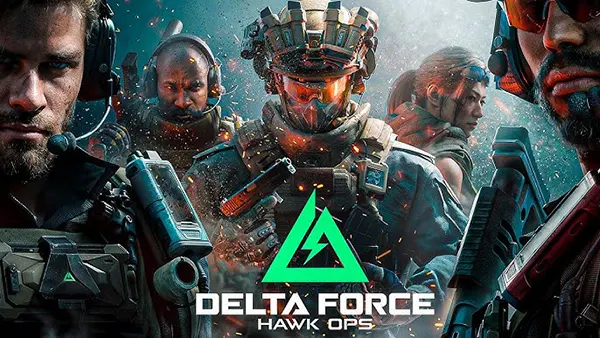
Delta Force Mobile has two core multiplayer experiences that ask for very different skills from the same touchscreen. Warfare is the large-scale option, built around 24-versus-24 battles, objectives, vehicles and repeated clashes across a wide battlefield. Operations is an extraction shooter in which a three-player squad enters with equipment, searches for valuable supplies and tries to leave through an extraction point without losing what it carried into the match. As of August 2026, both modes remain central to Delta Force, and Season Meltdown has added fresh content to each rather than pushing one into the background. The more useful question for a phone player is therefore not which mode is better in general, but which one makes better use of a smaller display, touch controls, shorter play windows and the performance limits of a mobile device.
How Warfare and Operations Feel on a Smartphone
Warfare is the easier mode to understand within the first few matches. Two large teams fight over objectives while infantry and vehicles keep the battlefield in constant motion. On mobile, the official version uses 24-versus-24 combat, giving the screen plenty to track without copying the exact scale and input demands of a desktop setup. The pace is direct: move towards an objective, support the push, deal with nearby enemies, use an Operator ability when it creates an opening and return to the fight after a death. Because a single mistake does not erase a costly loadout, new players can practise aiming, movement and positioning through repeated engagements instead of worrying about every lost gunfight.
Operations works on a different kind of pressure. A squad of three enters a map to collect supplies and extract, while hostile players, AI enemies, bosses and limited routes can turn an apparently quiet run into a difficult escape. Failure matters because equipment and supplies can be lost, so a careless sprint across open ground has a larger consequence than one bad push in Warfare. The result is a slower and more deliberate rhythm on a phone. Players spend more time checking routes, listening for movement, deciding what is worth carrying and judging when to leave. Gunfights can be less frequent than in Warfare, but each one tends to matter more because the whole run may depend on it.
The current 2026 content makes the contrast even clearer. Season Meltdown introduced Coliseum for Warfare, a battlefield focused on infantry and vehicle fighting around an Attack and Defend structure, while Operations received AZ3 Nuclear Power Plant, where radiation hazards, interactive areas and changing extraction decisions add extra pressure to a run. Both additions arrived for mobile as part of the same seasonal update. This matters when choosing a mode: Warfare keeps emphasising immediate combat and readable objectives, while Operations keeps building more systems around survival, route choice and risk. Neither has become a simplified mobile extra; they are separate styles of Delta Force that happen to share the same Operators, weapons and broader seasonal cycle.
Controls, Screen Space and Match Rhythm
Warfare asks more from your fingers every minute. Enemies can appear from several directions, vehicles create threats beyond normal rifle range, objectives attract dense groups of players and the HUD has to communicate a lot at once. On a smaller phone, that can look busy, especially during a major push. The advantage is repetition. You get many chances to correct a missed shot, adjust sensitivity, move a button or learn how an Operator ability behaves under pressure. Delta Force has also received mobile-specific control improvements over time, including aim assistance for certain vehicle weapons, display adjustments for unusual screen shapes and options designed to reduce unnecessary button work. Those changes do not make Warfare effortless, but they help it fit touch input better than its scale initially suggests.
Operations often looks calmer on screen, yet the controls can feel more demanding in the moments that matter. A player may need to aim precisely, change position, heal, manage equipment, check a route or interact with loot without the breathing room created by repeated respawns. A poor tap in Warfare can cost one life; a poor decision in Operations can cost the equipment brought into the raid and the valuables already collected. This makes Operations more comfortable for players who already know their control layout. The reduced frequency of constant frontline combat can suit a phone, but the mode rewards accuracy and confidence when a fight finally starts.
For mobile play, stable performance is more useful than chasing the highest visual preset. A smooth frame rate, clear enemy visibility and a control layout that does not force your thumbs to cover the centre of the screen will help in both modes. Warfare benefits most from responsiveness because it produces more frequent close and medium-range engagements. Operations benefits from clarity because spotting movement before the other squad can decide the outcome of a long run. Players moving from another mobile shooter will usually adapt to Warfare faster, while Operations becomes more comfortable after the basics of recoil, movement and Operator abilities are already familiar.
Which Mode Gives Better Progression and Satisfaction?
Warfare provides the more immediate sense of progress during ordinary phone sessions. The match constantly gives you something useful to do: capture or defend a point, revive a teammate, repair or counter a vehicle, clear a route or support the squad around an objective. A player does not need to be the top fragger to contribute. That matters on touch controls, where raw aiming speed may take time to develop. Even a difficult match still produces repeated situations in which you can test a weapon build or practise an Operator. The loop is straightforward, and the cost of experimentation is low because the mode does not revolve around carrying a valuable personal inventory into every battle.
Operations creates a stronger long-term attachment to individual runs. Loot has value beyond the current firefight, successful extraction protects what you found, and the stash gives later matches a direct connection to earlier decisions. The official mode structure makes failure part of that economy: if a squad does not get out successfully, carried equipment and collected supplies can be lost. That risk is the reason a clean extraction can feel more rewarding than a high-kill Warfare round, but it can also make Operations frustrating on a phone when a weak connection, an accidental touch or a short interruption ruins twenty minutes of careful play. The mode is most satisfying when you can give it uninterrupted attention.
Delta Force continues to support both sides of the game in 2026. Meltdown added separate new maps for Operations and Warfare, while cross-mode events and shared seasonal rewards encourage players to move between them. The official companion statistics also treat the modes separately, tracking Operations information such as extraction value and extraction rate alongside Warfare records. In practical terms, there is no need to choose one mode permanently. A player can use Warfare for mechanical practice and fast action, then move into Operations when there is enough time for a slower, higher-stakes session. Progress in understanding the weapons and Operators carries over even though the match goals are very different.
Solo Players, Squads and Short Mobile Sessions
For a player who usually queues alone, Warfare is the safer recommendation. A 24-player team gives you room to contribute without depending on two specific squadmates for every decision. You can follow the main attack, defend a useful position, play a support role or work around vehicles even when voice communication is absent. A coordinated squad is still valuable, but a random teammate leaving or ignoring instructions does not automatically destroy the whole match. This makes Warfare easier to use as a daily mobile mode when you simply want to play without organising a group first.
Operations becomes stronger when two or three players communicate well. A squad can divide attention between entrances, share information, cover a revive, decide who carries valuable items and agree on when the potential reward is no longer worth staying. These decisions suit voice chat and regular teammates far more than silent random matchmaking. Solo-minded players can still enjoy Operations, but they have to accept that the mode is built around squad risk and extraction. On a smartphone, where awareness is already limited by the smaller display, reliable communication can compensate for information that would be easier to notice on a large monitor.
Short sessions also favour Warfare, although actual match length can vary by map and mode. The reason is not simply time; it is interruption tolerance. If a call, poor signal or real-life task pulls your attention away for a moment, returning to a Warfare match is usually less costly than abandoning an Operations run with valuable equipment. Operations is better saved for periods when you can stay focused until extraction. Players using mobile data should also consider connection stability rather than only speed. A brief network problem is inconvenient in Warfare, but it can be much more expensive in Operations because the equipment economy gives every failed run a lasting cost.
Warfare or Operations: The Better Choice in 2026
For most people who primarily play Delta Force on a smartphone, Warfare is the better starting mode in 2026. Its 24-versus-24 structure is busy, but its basic goals are easy to read and failure is forgiving enough to support constant practice. It also shows off the parts of Delta Force that translate naturally to a phone: quick gunfights, Operator abilities, objective pushes and accessible vehicle combat. Players can change weapons, sensitivity or button placement and immediately test the result in another engagement. That feedback loop matters more on touch controls than it does with a mouse, because comfort often comes from gradual adjustment rather than a single perfect setup.
Operations is the better choice for players who want tension, planning and a reason to care about every item they carry. It is not an inferior mobile mode; it simply asks for a different kind of attention. The three-player squad structure is easier to coordinate than a huge team, the quieter parts of a raid can suit touchscreen play, and successful extraction gives each match a clear personal outcome. At the same time, its equipment loss, inventory decisions and high-value gunfights make accidental inputs or unstable connections more painful. A confident mobile FPS player may therefore find Operations more satisfying in the long term even if Warfare remains easier to play casually.
A sensible route is to learn Delta Force through Warfare and add Operations once the controls stop demanding conscious thought. Use large battles to settle sensitivity, HUD placement, favourite weapon types and two or three Operators you understand well. Then take that familiarity into Operations, where positioning and decision-making matter more because mistakes carry forward. In 2026, the game gives both modes enough maps, seasonal updates and separate progression goals to justify playing them side by side. The strongest choice depends less on graphics or raw phone power than on how much uninterrupted attention you can give a match and how much risk you want attached to each fight.
A Simple Recommendation by Player Type
Choose Warfare if you want frequent action, obvious objectives and a mode that is easy to start without planning a full session around it. It is also the better training ground for touch controls because every match creates many opportunities to aim, move, use gadgets and react to different weapons or vehicles. Players who enjoy large battles but do not want to manage the value of every item will probably spend more time here. On a mid-range phone, lowering visual settings to preserve smooth input can make the mode far more comfortable during crowded objective fights.
Choose Operations if you prefer slower decisions, coordinated squad play and matches where surviving with valuable supplies matters as much as defeating opponents. It suits players who like planning routes, listening carefully and deciding when to leave instead of chasing one more fight. The current AZ3 map reinforces that identity with hazards and changing conditions that force squads to weigh risk against reward. On mobile, this mode is at its best when you have a stable connection, enough time to finish the run and a control layout you already trust.
If only one mode has to be recommended specifically for smartphone play in 2026, Warfare wins by a narrow margin. Its forgiving structure, mobile-scale 24-versus-24 battles and constant opportunities to practise make it easier to enjoy across a wider range of players and everyday situations. Operations offers greater tension and a deeper sense of consequence, so it may become the favourite mode for experienced users with regular squadmates. The useful distinction is simple: Warfare is the stronger mobile-first choice, while Operations is the stronger choice for players who want each match to carry more risk, planning and persistence.
Popular topics
-
Delta Force Mobile in 2026:...
Delta Force Mobile has two core multiplayer experiences that …
-
 How Modern Browsers Use Har...
Modern browsers no longer rely on the CPU for …
-
 RISC-V for a Home PC in 202...
RISC-V has moved beyond research boards and small embedded …
-
 Android 16 Desktop Mode: Ca...
For years, smartphone manufacturers have promoted the idea that …
-
 OLED Monitors for Professio...
OLED monitors have become a serious option for professional …