
Don’t Starve Together Mobile Guide: Survival, Resources and First Days

Don’t Starve Together on mobile keeps the harsh survival mechanics of the original while adapting controls for smaller screens. The first in-game days define whether a player stabilises or struggles. Understanding how to gather resources, manage hunger and prepare for nightfall is essential. This guide focuses on practical decisions that improve survival chances from the very beginning, based on current gameplay mechanics as of 2026.
Understanding Core Survival Mechanics
At the centre of Don’t Starve Together are three main stats: health, hunger and sanity. Hunger drains constantly and must be replenished with food, while sanity drops in darkness or near hostile creatures. Health is lost through combat, starvation or environmental hazards. Managing all three simultaneously is the foundation of survival.
The day-night cycle is another critical factor. Daytime is used for exploration and gathering, while dusk offers limited visibility and increased danger. Night is the most dangerous period, requiring a light source such as a torch or campfire. Without light, the player is attacked by unseen creatures almost instantly.
Mobile controls slightly change how players interact with the environment. Quick access to crafting and inventory becomes more important. Efficient movement and planning reduce unnecessary risks, especially during early exploration.
Why Early Decisions Matter Most
The first two to three days determine long-term success. Poor decisions, such as wandering without collecting resources, lead to starvation or lack of tools. Early crafting priorities should always include an axe, pickaxe and a light source.
Players should avoid combat in the beginning unless necessary. Many enemies are stronger than they appear, and taking damage early without proper healing options can end a run quickly. Survival takes priority over exploration during these initial stages.
Choosing a base location early also matters. Settling near food sources, trees and basic materials reduces travel time and helps establish a stable routine.
Essential Resources and How to Gather Them
Resources in Don’t Starve Together are divided into basic and advanced tiers. During the first days, players should focus on grass, twigs, flint and berries. These materials are required for tools, traps and early food supplies.
Flint is particularly important because it allows crafting of tools. Without it, players cannot chop trees or mine rocks. Twigs and grass are needed for torches and basic crafting recipes. Keeping a steady запас of these materials prevents critical shortages.
Food sources vary depending on the biome. Berries, carrots and seeds are the easiest to obtain early on. However, relying only on raw food is inefficient. Cooking food at a campfire improves its nutritional value and reduces spoilage risks.
Efficient Resource Farming Strategies
Instead of collecting randomly, players should follow a route-based approach. Moving in a circular path around a central point helps map the area while gathering resources consistently. This also makes it easier to return to base before nightfall.
Traps are useful for passive food collection. Placing them near rabbit holes provides a steady supply of meat. This method reduces the need to chase animals manually, saving time and energy.
Inventory management is often overlooked. Carrying too many unnecessary items limits efficiency. Prioritising essential tools and food allows more flexibility when exploring new areas.
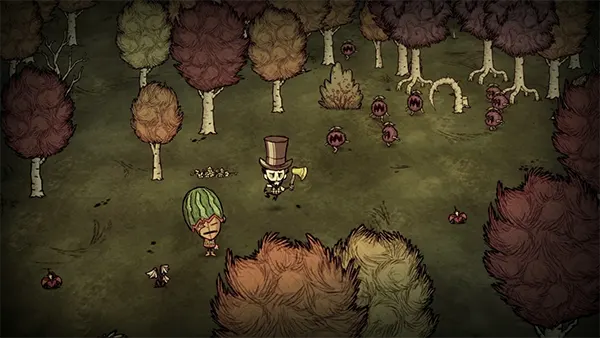
First Days Strategy and Base Setup
During the first three days, the main objective is to survive while preparing for long-term gameplay. Players should aim to establish a temporary base rather than a permanent one. This base should include a fire pit, basic storage and access to nearby resources.
Fire pits are more efficient than regular campfires because they can be reused. Building one early reduces the need for constant crafting. It also creates a safe zone during the night, where players can cook food and regain sanity.
Exploration should continue even after setting up a base. Mapping nearby biomes helps locate important resources such as beefalo herds, spider nests and stone deposits. These become essential in later stages of the game.
Common Mistakes in the First Days
One of the most frequent mistakes is staying in one place too long without gathering enough resources. Early mobility is crucial. Players who settle too early often lack essential materials needed for survival.
Another issue is ignoring sanity. Darkness, monsters and certain foods reduce sanity quickly. When it drops too low, hallucinations begin, leading to dangerous encounters. Maintaining light sources and avoiding unnecessary risks helps keep sanity stable.
Finally, many players underestimate weather and seasonal changes. Even in early gameplay, preparation for future challenges such as winter should begin. Collecting extra food and materials early makes later stages significantly easier.
Popular topics
-
 Delta Force Mobile in 2026:...
Delta Force Mobile has two core multiplayer experiences that …
-
 How Modern Browsers Use Har...
Modern browsers no longer rely on the CPU for …
-
 RISC-V for a Home PC in 202...
RISC-V has moved beyond research boards and small embedded …
-
 Android 16 Desktop Mode: Ca...
For years, smartphone manufacturers have promoted the idea that …
-
 OLED Monitors for Professio...
OLED monitors have become a serious option for professional …